

Understanding Natura 2000 and Biodiversity Protection in Europe
Legal and ecological foundations of the Natura 2000 network
Natura 2000 is the cornerstone of biodiversity protection policy across the European Union. It is not a single law or reserve system in the traditional sense, but a coordinated ecological network established to ensure the long-term survival of Europe’s most valuable and threatened species and habitats. Its legal basis rests on two pillars: the Birds Directive and the Habitats Directive, which together define what must be protected and how this protection should be implemented.
Unlike classic nature reserves that often rely on strict exclusion of human activity, Natura 2000 operates through an ecosystem-based approach. Protection is focused on maintaining or restoring what EU law calls “favourable conservation status”, meaning that species populations and habitat types remain viable over the long term. This framework reflects modern conservation science, which recognises that ecological stability often depends on carefully managed human presence rather than complete isolation.
Scope and structure of protected habitats and species
The scale of Natura 2000 is unmatched globally. The network covers roughly one fifth of the EU’s land area and significant portions of its marine waters, forming a transnational mosaic of protected sites. Each site is designated because it hosts specific habitat types or species listed in the annexes of the directives, ranging from coastal dunes and peat bogs to old-growth forests and alpine meadows.
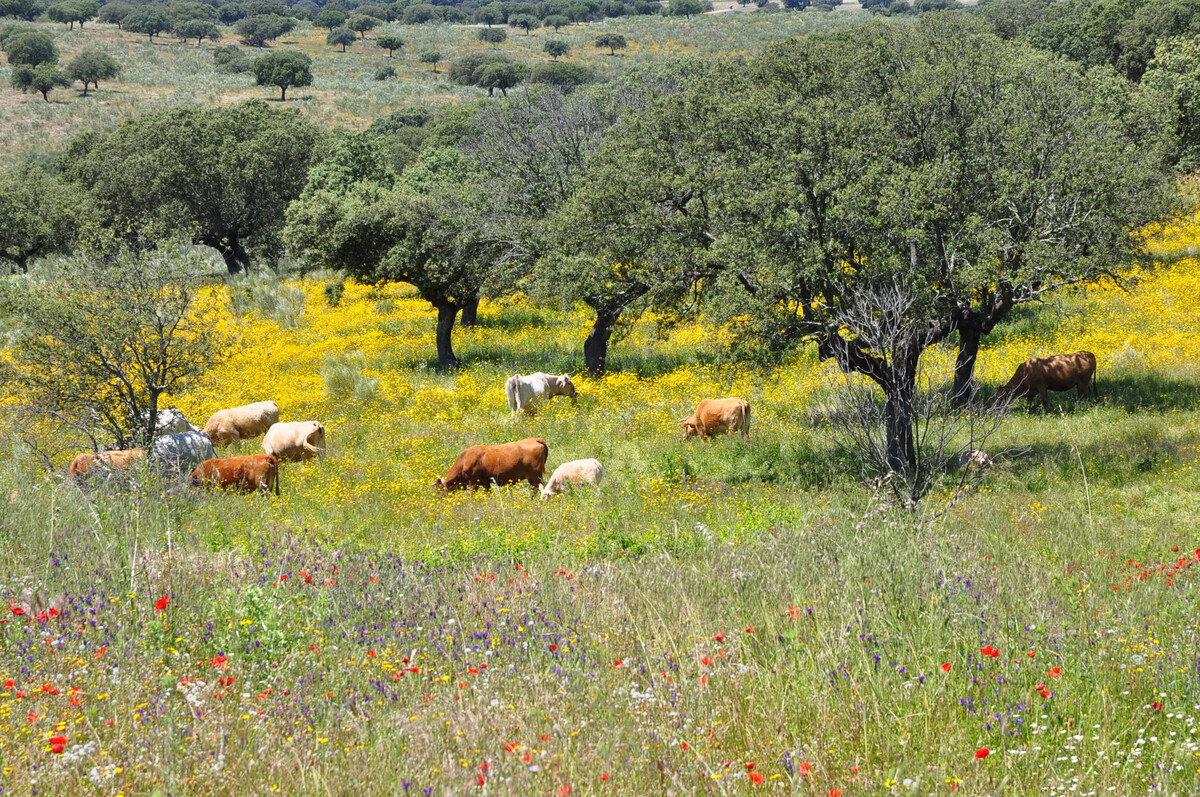
Species protection under Natura 2000 is equally broad. It includes migratory birds, large carnivores, amphibians, pollinating insects and numerous plant species that act as keystone components of European ecosystems. Importantly, the network does not aim to protect “pristine nature” alone. Many sites are semi-natural landscapes shaped by centuries of traditional land use, such as extensive grazing or low-intensity agriculture, which have created conditions essential for biodiversity.

Management principles and adaptive conservation
Natura 2000 sites are managed through tailored conservation measures rather than uniform rules. Member states are required to assess pressures and threats specific to each site, then design management plans that balance ecological objectives with socio-economic realities. This may include regulating forestry practices, adjusting agricultural intensity, restoring hydrological regimes or limiting infrastructure development.
A defining feature of the network is its adaptive character. Conservation actions are expected to evolve as scientific knowledge improves and environmental conditions change. Climate change, in particular, has forced a shift from static protection models toward dynamic strategies that prioritise ecological connectivity. By maintaining corridors between sites, Natura 2000 allows species to migrate and adapt as temperature and precipitation patterns shift across Europe.
Ecosystem services and climate relevance
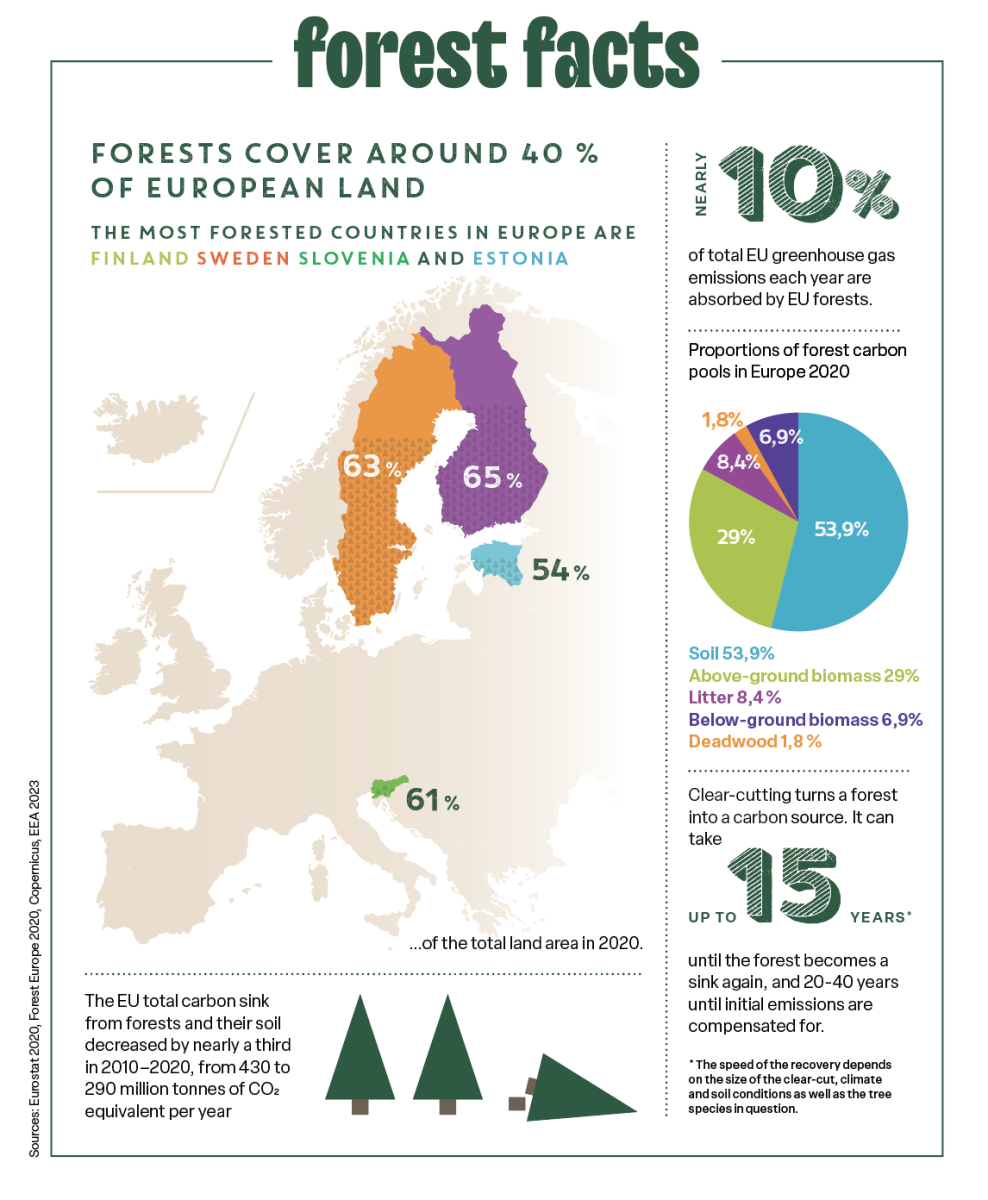
Beyond species protection, Natura 2000 delivers substantial ecosystem services that directly benefit society. Healthy wetlands mitigate flooding and improve water quality, forests sequester carbon, and diverse landscapes support pollination and soil stability. These services are increasingly recognised as natural infrastructure that complements engineered solutions.
From a climate perspective, the network plays a dual role. It enhances resilience by preserving intact ecosystems that buffer extreme events, and it contributes to mitigation by protecting carbon-rich habitats such as peatlands and mature forests. In this sense, Natura 2000 operates at the intersection of biodiversity policy and climate strategy, illustrating how conservation and climate objectives can reinforce each other rather than compete.


Global significance beyond Europe
Although Natura 2000 is a European initiative, its influence extends well beyond EU borders. It is frequently cited as a model for regional-scale conservation that integrates science, law and stakeholder engagement. The network demonstrates that biodiversity protection can be embedded into broader land-use systems without halting economic activity.
For countries and regions seeking to scale up conservation efforts, Natura 2000 offers a practical example of how legally binding targets, consistent scientific criteria and local management can coexist. As global biodiversity frameworks increasingly emphasise large, connected protected areas, the European experience provides valuable lessons on governance, enforcement and long-term ecological monitoring.
Public participation and future challenges
Public acceptance is a critical factor in the success of Natura 2000. Early criticism often framed the network as a constraint on development, but experience has shown that well-managed sites can support sustainable tourism, traditional livelihoods and regional identity. Engagement of landowners, farmers and local communities has become central to effective conservation outcomes.
Looking ahead, the main challenges lie in ensuring adequate funding, improving enforcement and adapting management to accelerating environmental change. Biodiversity loss, climate stress and land-use pressure will test the resilience of the network. Its long-term value will depend on continued political commitment and a clear understanding that protecting biodiversity is not an obstacle to development, but a prerequisite for ecological and economic stability in Europe and beyond.